Key Takeaways
- UltraClear is a laser skin treatment that Bluewater Plastic Surgery describes as a cold fiber laser, designed to improve skin tone, texture, and collagen with little downtime.
- The laser removes thin top layers of dull, damaged skin and delivers controlled heat deeper down to prompt new collagen and elastin.
- Compared with traditional ablative lasers, which remove the outer skin layer and can mean a long recovery, UltraClear is designed to use less heat and cause less thermal damage.
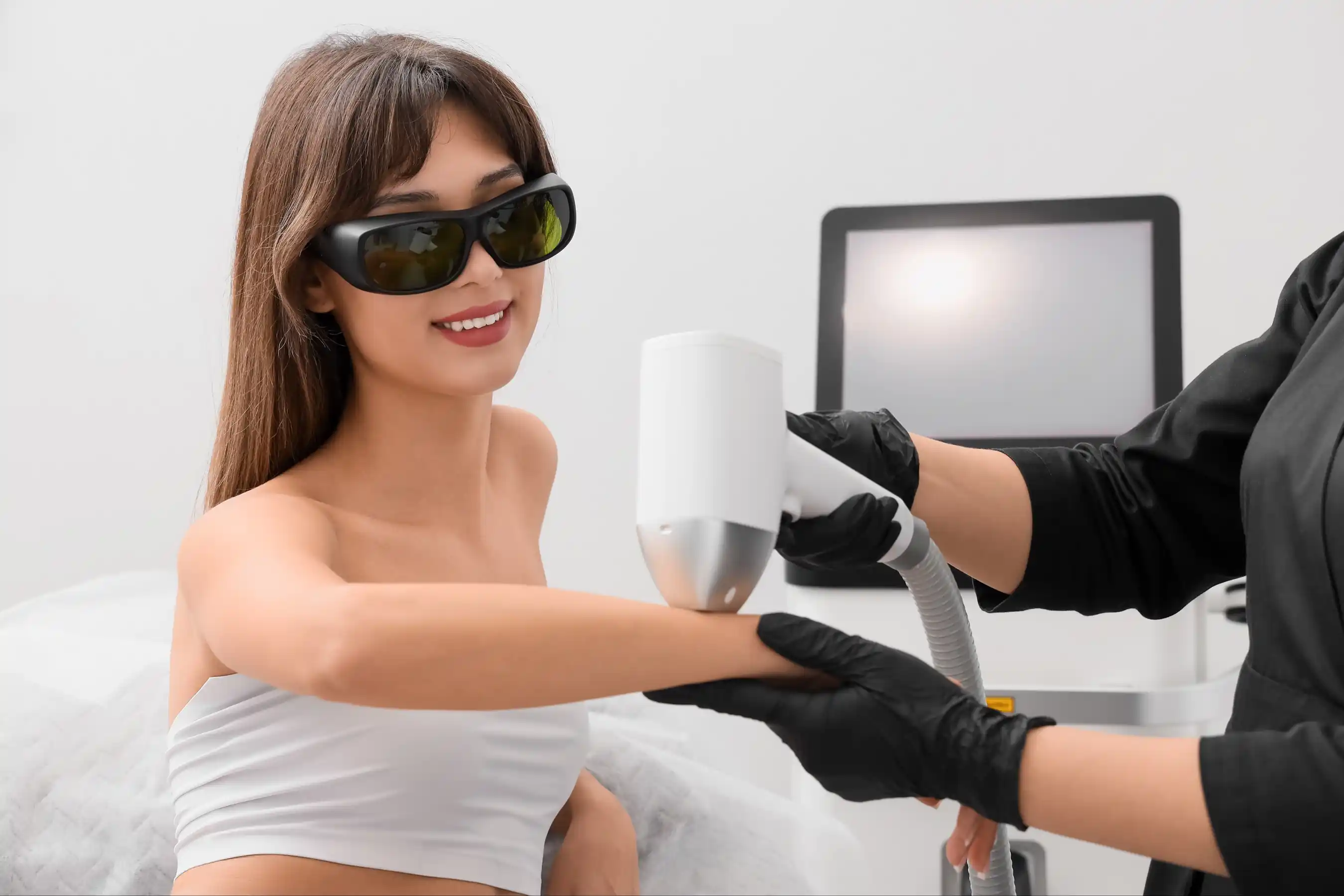
- A full-face treatment typically takes 20 to 30 minutes, and most patients report mild discomfort.
- It can address fine lines, sun damage, uneven tone, and acne scars, but it will not lift sagging skin.
- Bluewater Plastic Surgery in Niceville, FL offers UltraClear with Michelle Sasala, ARNP-BC, and patients can schedule an UltraClear consultation to see if it fits their goals.
What Is the UltraClear Laser?
UltraClear is a newer laser that many patients have not heard of before their first visit. Bluewater Plastic Surgery describes it as the world's first cold fiber laser for total skin rejuvenation. The practice states that the device is cleared by the U.S. Food and Drug Administration (FDA).
The treatment uses short, focused beams of light to gently remove the top layers of dull and damaged skin. That triggers the body's natural healing process and encourages new skin cells to grow. At the same time, the laser delivers a measured amount of heat at the dermal level, which is the layer of skin beneath the surface. According to the practice, this helps boost collagen and elastin, the proteins that keep skin firm and smooth.
How Cold Fiber Laser Technology Works
The word 'cold' does not mean the laser is chilly. It refers to how little excess heat reaches the skin. The practice explains that UltraClear combines two kinds of energy:
- Ablative energy removes thin layers of surface skin.
- Coagulative energy warms deeper tissue to support collagen and elastin production.
Bluewater Plastic Surgery notes that its 3DIntelliPulse technology is built to limit thermal damage, meaning heat injury to the skin around the treated spots. The goal is to get the skin-renewing benefits of a laser while protecting nearby tissue and speeding recovery.
How UltraClear Differs From Traditional Ablative Lasers
Ablative lasers are the older, stronger group of resurfacing lasers. Mayo Clinic's guide to laser resurfacing explains that an ablative laser uses a beam of energy to destroy the outer layer of skin and heat the skin underneath, which stimulates collagen growth. Mayo Clinic also notes that fractional versions of these lasers, which treat tiny columns of skin instead of the whole surface, shorten recovery time and lower the risk of side effects.
A blog post from a plastic surgeon who is a member of the American Society of Plastic Surgeons (ASPS) describes the trade-off clearly. Ablative lasers such as CO2 and erbium produce a more significant improvement but need more downtime, with skin that can look red and swollen for 3 to 4 days before it begins to slough. Redness can last up to two weeks.
| Feature | Traditional Ablative Laser | UltraClear (According to the Practice) |
|---|---|---|
| Energy approach | Removes outer skin layer and heats deeper skin | Cold fiber laser that removes thin layers and adds controlled heat below |
| Heat and thermal damage | Higher | Designed to be minimal |
| Discomfort | Often more intense | Mild for most patients, rated 0 to 5 on a 10-point scale |
| Recovery | Can last days to weeks | Light treatments: 2 to 4 days of redness and peeling. Deeper treatments: 3 to 5 days |
| Treatment time | Varies | About 20 to 30 minutes for a full face |
What Skin Concerns UltraClear Is Designed to Address
Bluewater Plastic Surgery lists these concerns on its UltraClear laser page:
- Fine lines and wrinkles
- Sun damage, pigment, and age spots
- Acne scars and other scarring
- Uneven skin tone and texture
- Red and brown discoloration
- General rejuvenation and 'prejuvenation,' which means treating early so signs of aging show up later
Laser resurfacing as a category has limits. Mayo Clinic notes that it is usually used for fine lines, age spots, and uneven skin color, but it cannot fix sagging skin. The ASPS member surgeon's blog adds that lasers will not improve significant jowling or loose skin in the lower face.
What a Typical UltraClear Session Looks Like
A full-face treatment generally takes 20 to 30 minutes. Most patients report mild discomfort, which Bluewater Plastic Surgery places at 0 to 5 on a 10-point scale. Afterward, patients may notice temporary redness and mild peeling, similar to a sunburn.
Recovery depends on how deep the treatment goes:
- Light resurfacing: 2 to 4 days of mild redness and peeling.
- Deeper treatments: 3 to 5 days of more noticeable peeling and redness.
Results keep improving for months as collagen rebuilds. The practice says deeper treatments can keep improving for up to a year, and results can last 1 to 5 years.
Who Tends to Be a Good Candidate for UltraClear
Good candidates are usually adults who want to improve skin texture, tone, or early signs of aging without surgery. Bluewater Plastic Surgery states that UltraClear is designed to be safe for all skin types, with one exception: the practice notes that its Laser-Coring mode is not included in that safety statement for darker skin tones.
Some health factors call for extra care with any laser resurfacing. Mayo Clinic lists a history of keloid scars, recent isotretinoin use, certain autoimmune conditions, frequent cold sores, and pregnancy among the reasons a provider may advise against it. A consultation in Niceville is the best way to confirm whether UltraClear is a good match.
Ready to See if UltraClear Is Right for Your Skin?
UltraClear is a laser option built around less heat, a shorter session, and a gentler recovery than many traditional resurfacing lasers. Knowing how it works can make it easier to decide whether it matches your goals.
Bluewater Plastic Surgery's Niceville office offers UltraClear treatments with Michelle Sasala, ARNP-BC. Schedule your UltraClear laser consultation to talk through your skin concerns and treatment options.
Frequently Asked Questions
What is UltraClear laser treatment?
UltraClear is a cold fiber laser treatment that gently removes thin layers of damaged skin and delivers controlled heat below the surface to support new collagen and elastin.
What is UltraClear laser resurfacing used to treat?
It is designed for fine lines, sun damage, age spots, acne scars, and uneven skin tone and texture.
Does UltraClear laser hurt?
Most patients report mild discomfort, rated 0 to 5 on a 10-point scale by Bluewater Plastic Surgery, which the practice says is much lower than traditional laser treatments.
How do I find UltraClear laser near me in Niceville, FL?
Bluewater Plastic Surgery offers UltraClear laser treatments at its Niceville office. Request an appointment online or call (850) 530-6064 to schedule a consultation.
