Key Takeaways
- Microneedling works through tiny mechanical channels in the skin rather than heat or light, which is part of why it's often well tolerated by sensitive or reactive skin.
- A consultation helps identify whether sensitive skin needs a modified approach, such as a gentler setting or a longer gap between sessions.
- Mild redness, warmth, and slight sensitivity are normal after treatment and typically improve within a day or two.
- Certain conditions, like active eczema, psoriasis, or a tendency toward keloid scarring, may mean a provider recommends waiting or choosing a different treatment.
- Proper aftercare, including gentle products and sun protection, plays a big role in how comfortably sensitive skin recovers.
- Bluewater Plastic Surgery in Niceville, FL offers RF microneedling with Dr. Steven Clark and team, and patients with sensitive skin can request a consultation to discuss a personalized approach.
How Microneedling's Mechanical Approach Differs from Heat- or Light-Based Treatments
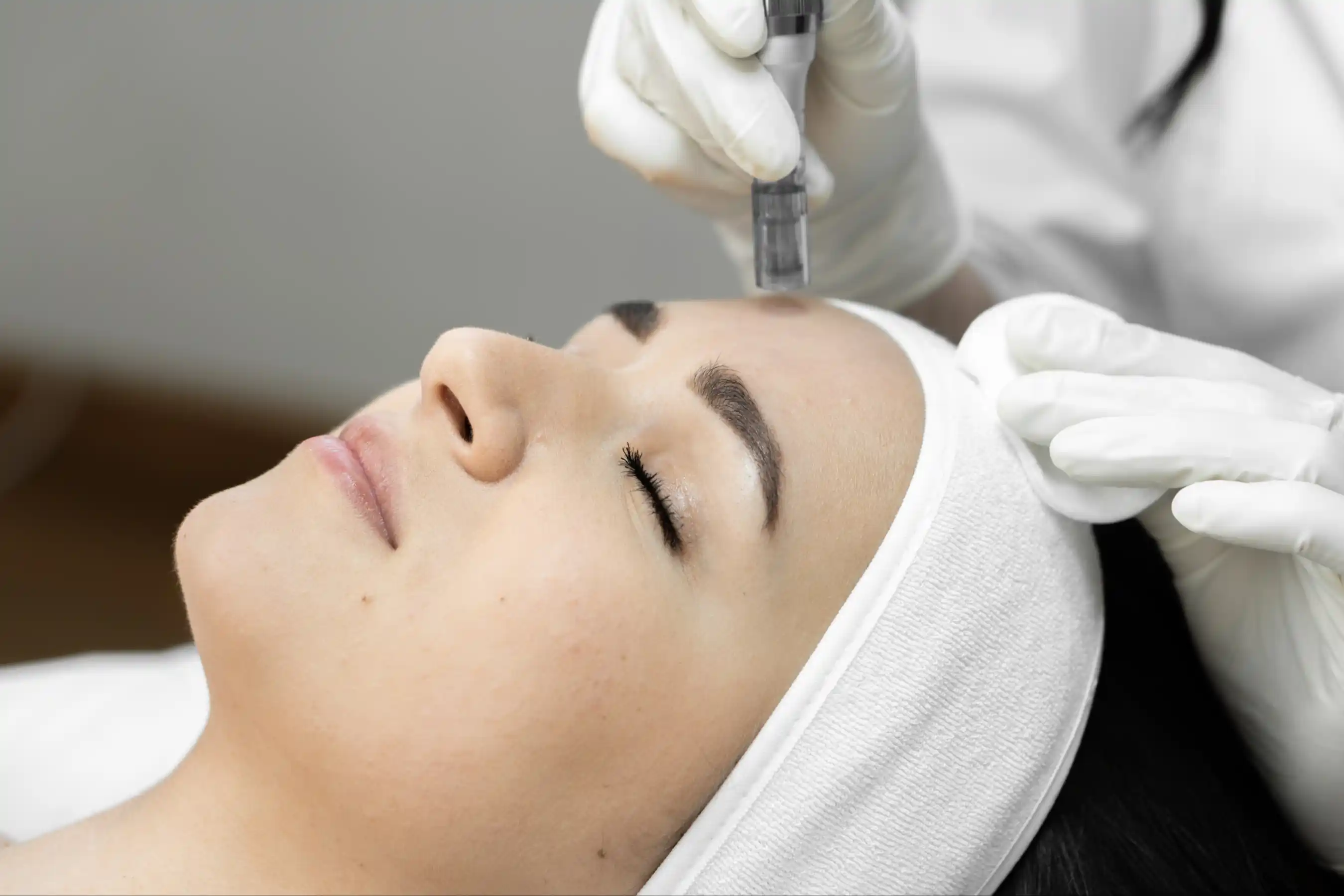
Microneedling improves skin texture by creating tiny, controlled channels in the skin's surface, which triggers the body's natural healing response and encourages new collagen and elastin. This is a different mechanism than treatments that rely on heat or light, such as laser resurfacing. According to the Cleveland Clinic, microneedling doesn't carry the risk of skin discoloration that comes with some heat- or light-based facial rejuvenation procedures, which makes it a reasonable option for people with sensitive or reactive skin.
Bluewater Plastic Surgery uses radiofrequency (RF) microneedling, which pairs this mechanical approach with gentle radiofrequency energy delivered through the needles to support deeper collagen remodeling, rather than relying on surface-level heat or light.
How Sensitive Skin Is Assessed Before Treatment
Not every patient is a candidate for microneedling, which is why a consultation is an important first step. The Cleveland Clinic recommends talking with a provider before microneedling if a patient has certain skin conditions, such as eczema or psoriasis, a tendency to form raised keloid scars, frequent skin rashes or cold sores, or active acne. Patients on blood-thinning medications, or those undergoing chemotherapy or radiation, should also discuss this with their provider beforehand. Being upfront about skin history and current medications during a consultation at Bluewater's Niceville office helps the provider determine whether microneedling is a good fit, and if any adjustments should be made to the treatment plan.
What Sensations Are Normal During and After the Procedure
A numbing cream is typically applied before treatment to improve comfort. During RF microneedling, the Cleveland Clinic notes that some patients may experience mild pinpoint bleeding or slight bruising, with skin that stays mildly red for around 24 hours afterward. For sensitive skin, these reactions may feel slightly more noticeable, but they are generally still considered a normal part of the healing process.
Normal Reactions vs. Signs to Contact Your Provider
| Normal After Treatment | Contact Your Provider If You Notice |
|---|---|
| Mild redness, similar to a light sunburn | Bleeding that continues for more than 24 hours |
| Slight warmth or tightness in the treated area | Blistering |
| Minor pinpoint bruising | Swelling that lasts longer than a week |
| Sensitivity that eases within a day or two | Signs of infection, such as increasing redness or drainage |
How Aftercare Supports Sensitive Skin During Recovery
Gentle, consistent aftercare makes a meaningful difference in how comfortable recovery feels, especially for sensitive skin. This typically includes using mild, non-irritating skincare products in the days following treatment, avoiding harsh actives like retinol or exfoliating acids until the skin has settled, and staying diligent about sun protection, since treated skin can be more sensitive to UV exposure during healing.
When Microneedling Might Not Be Recommended
Microneedling isn't the right choice for everyone. Patients with active acne, a keloidal tendency, frequent cold sores, or certain autoimmune or blood-clotting conditions may be advised to wait or explore a different treatment option. A thorough consultation, including a full discussion of skin history and current medications, is the best way for a provider to determine whether microneedling is appropriate for sensitive skin.
Ready to Find Out If Microneedling Is Right for Your Skin?
Sensitive skin doesn't automatically rule out microneedling, but it does call for a more personalized approach. Understanding how the treatment works, what to expect, and when it might not be recommended can help you make that decision with confidence.
Bluewater Plastic Surgery's Niceville team can evaluate your skin and build a plan suited to your needs. Request a consultation for RF microneedling to get started.
Frequently Asked Questions
Is microneedling safe for sensitive skin?
Microneedling is often well tolerated by sensitive skin because it works mechanically rather than through heat or light, though a consultation helps confirm whether any adjustments are needed.
Is microneedling safe in general?
Yes, for most patients. The Cleveland Clinic notes that microneedling is a safe outpatient procedure, though certain skin conditions and medications may mean a different approach is recommended.
What are the most common microneedling side effects?
Mild redness, warmth, and slight sensitivity are the most common effects, usually easing within a day or two.
How do I find microneedling near me in Niceville?
Bluewater Plastic Surgery offers RF microneedling with Dr. Steven Clark and team. Request an appointment online or call the office to schedule a consultation.
